Low Bridge Detection: The Award-Winning System That Prevents Bridge Strikes
A bridge strike is one of the most avoidable incidents in commercial fleet operation. It is also one of the most costly. Parksafe Group's Award Winning Low Bridge Detection System (LBDS) gives drivers a clear, timely warning before they reach a bridge their vehicle cannot safely pass under, at the point it can still be avoided.
The Bridge Strike Problem: Scale, Cost & Consequence
Bridge strikes are far more common than most fleet operators realise. According to Network Rail, there were 1,833 bridge strikes reported across the UK in 2021/22 alone. Each one costs an average of £13,000 in damage and disruption. Collectively, that amounts to approximately £23 million every year, and that figure does not account for the wider consequences.
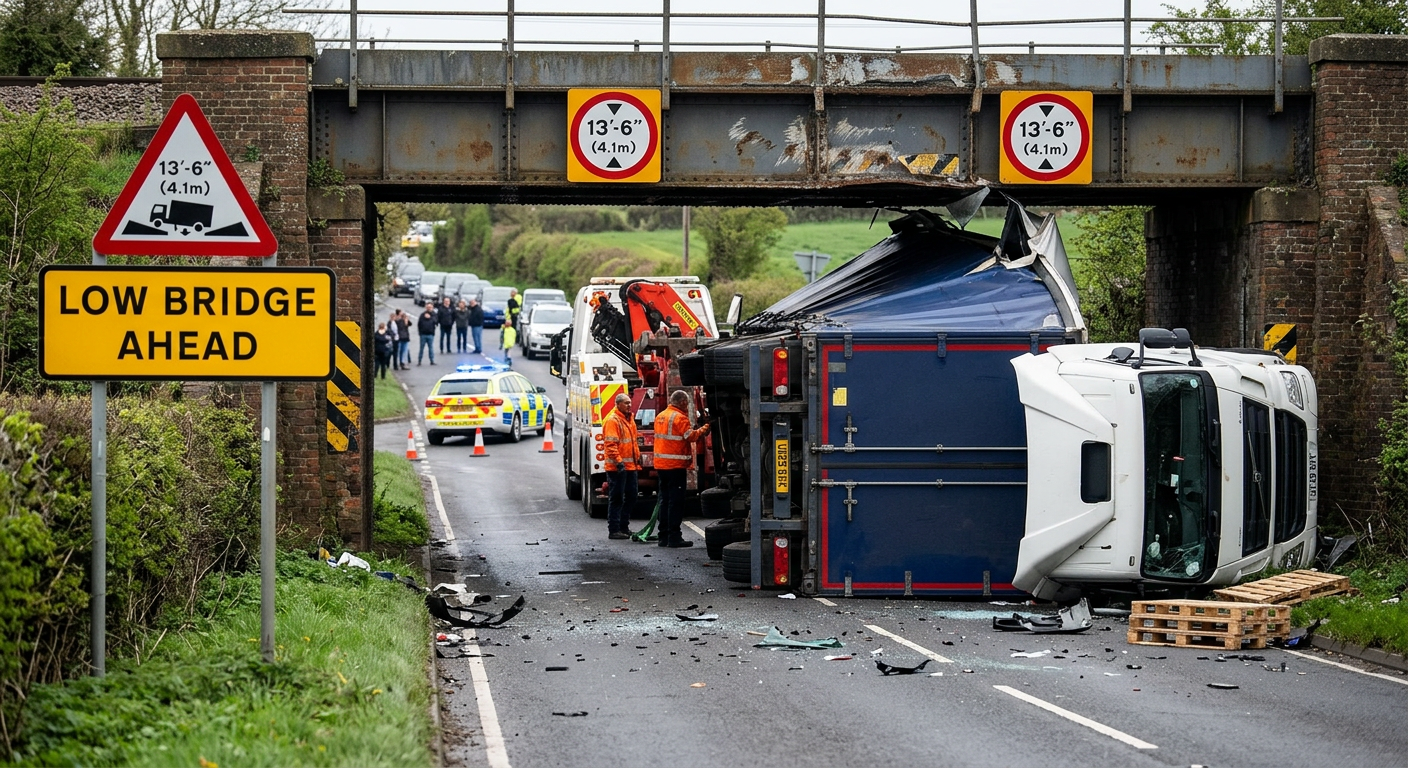
A single bridge strike can write off a vehicle, injure the driver and passengers, close a road or rail line, trigger a Network Rail penalty, and expose the fleet operator to serious legal and reputational risk. Rail services are delayed. Emergency services are deployed. And in most cases, the incident was entirely preventable.
The causes are well understood. Unfamiliar routes, reliance on standard sat nav systems that do not account for vehicle height, complacency on regular runs where a driver believes they know the road, and simple human error. Training helps. But training can be forgotten or ignored, particularly under time pressure or on long shifts.
Technology addresses what training alone cannot.
What is the Low Bridge Detection System?
The low bridge detection system is an in-vehicle device that alerts drivers in advance of bridges and overhead obstructions that fall within a dangerous clearance threshold for their vehicle.
Unlike standard sat nav, which routes vehicles by road type and distance, a dedicated low bridge detection system is calibrated to the specific height of the vehicle it is fitted to. It draws on a database of known low bridges across the UK network and triggers warnings based on the vehicle's GPS position as it approaches a danger zone, giving the driver time to stop, assess and reroute before reaching the hazard.
The Parksafe LBDS takes this further. The system is pre-loaded with up to 3,750 UK bridges, requires no driver setup, and does not rely on a 4G signal. Warnings are both visual and audible. Multiple alerts are triggered as the vehicle approaches, with escalating urgency to ensure the driver has every opportunity to respond.
How the Parksafe LBDS Works
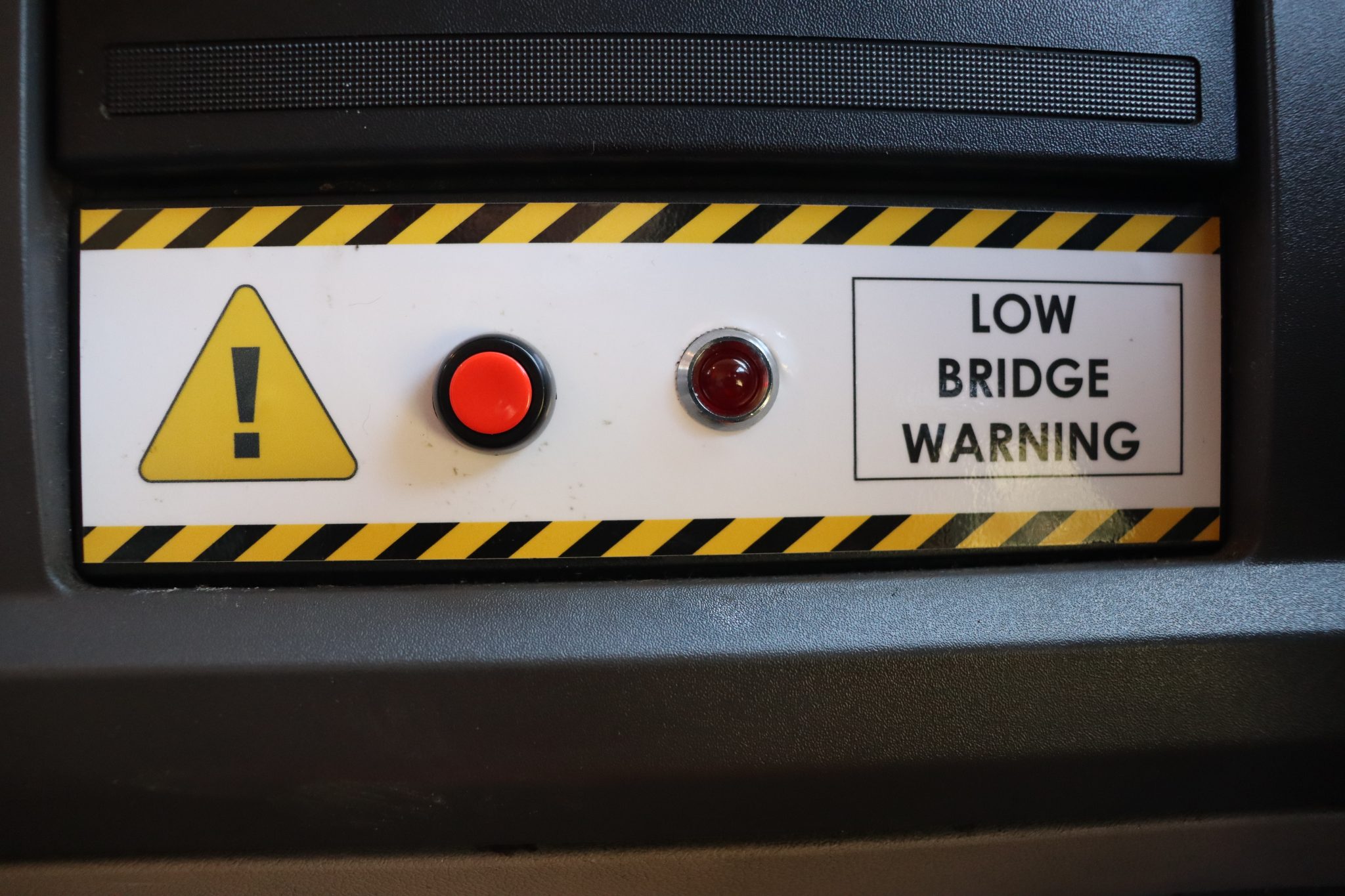
The Parksafe Low Bridge Detection System is a stand-alone, award-winning device. Vehicle height information is entered at the point of installation. From that point, the system operates automatically with no driver configuration required.
As a vehicle enters a bridge's alert zone (300 metres), the system triggers. The driver receives a visual warning on the in-cab display and an audible alert. Multiple attempts are made to advise the driver to stop the vehicle if they continue to approach. The system does not depend on mobile data to function; alerts are geofence-triggered, meaning they work in areas with poor or no 4G coverage.
The system is remotely monitored and updated by Parksafe Group. False alert feedback is built in, allowing the database to be refined over time.
Which Fleets Need a Low Bridge Detection System?
Any fleet operating vehicles above a standard height on UK roads is exposed to bridge strike risk. In practice, the LBDS is most relevant to:
HGV operators running rigid or articulated vehicles on urban delivery routes, where low bridges are most concentrated and route familiarity can breed complacency. Bus and coach operators, where a bridge strike carries the additional consequence of passenger injury and significant reputational damage.
For fleet managers developing a bridge strike policy, the LBDS provides a documentable, active safety measure that demonstrates duty of care beyond driver briefings and training alone.
Bridge Strike Prevention: Technology and Training
No single measure eliminates bridge strikes entirely. The most effective approach combines active technology with driver awareness and education.
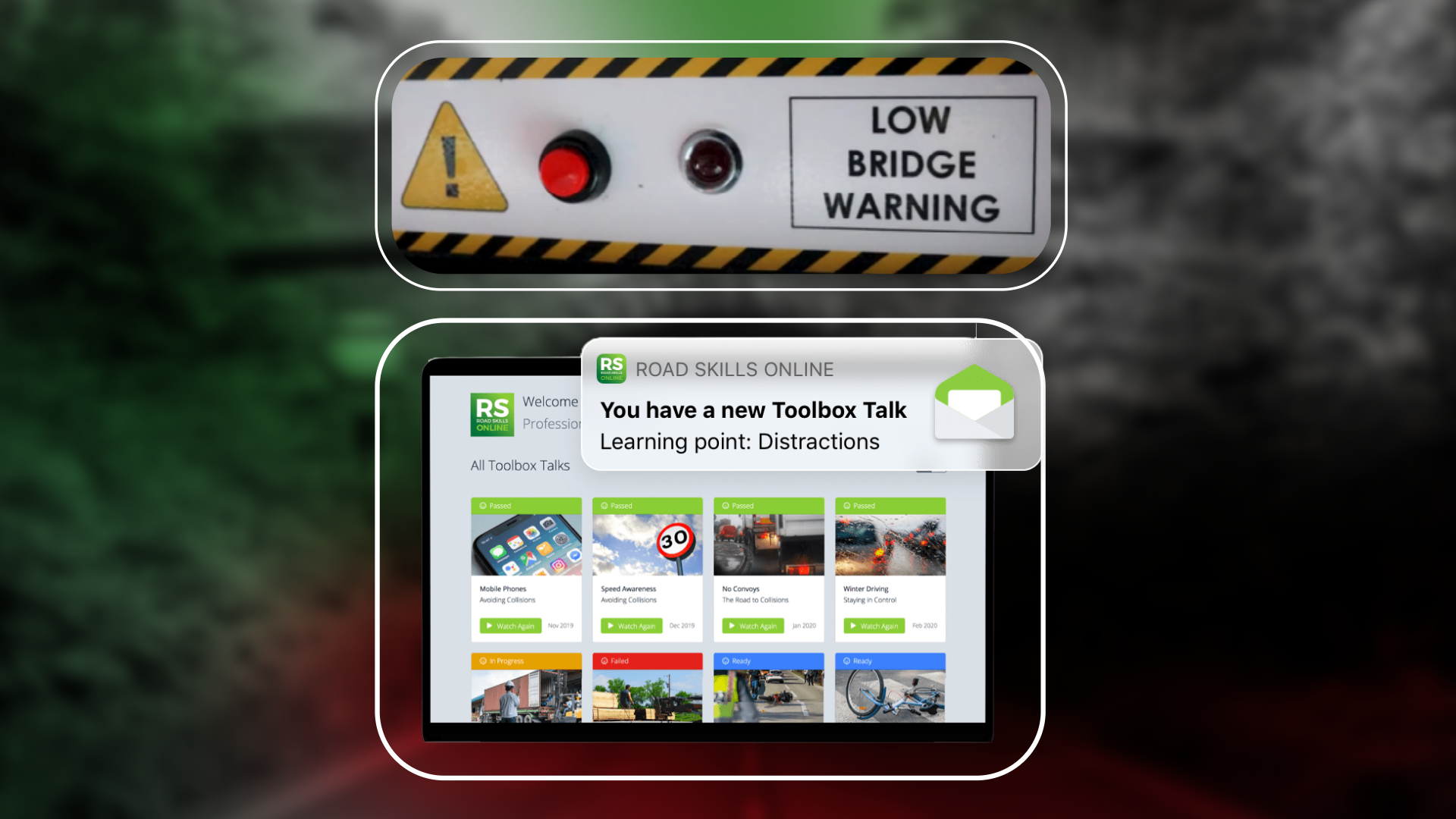
Parksafe Group has partnered with Road Skills Online to offer fleet operators access to a dedicated bridge strikes toolbox talk alongside the LBDS. Where technology provides the in-cab warning, training reinforces why that warning matters and what the driver must do when it sounds. The two work together: a driver who has completed the training takes the alert seriously; a driver who might otherwise dismiss an alert is supported by the context their training provides.
Fit the Parksafe Low Bridge Detection System to Your Fleet
The Parksafe LBDS is available as a stand-alone system or part of a full fleet safety upgrade, with flexible integration that we will design around your fleet's safety goals.
For fleet operators looking to reduce bridge strike risk, demonstrate duty of care, and protect drivers, vehicles and operating licences, the LBDS is the most direct solution available.
Fill out the form below to get started.